

Understanding Pet Anxiety vs. Panic Attacks: What Every Pet Parent Should Know
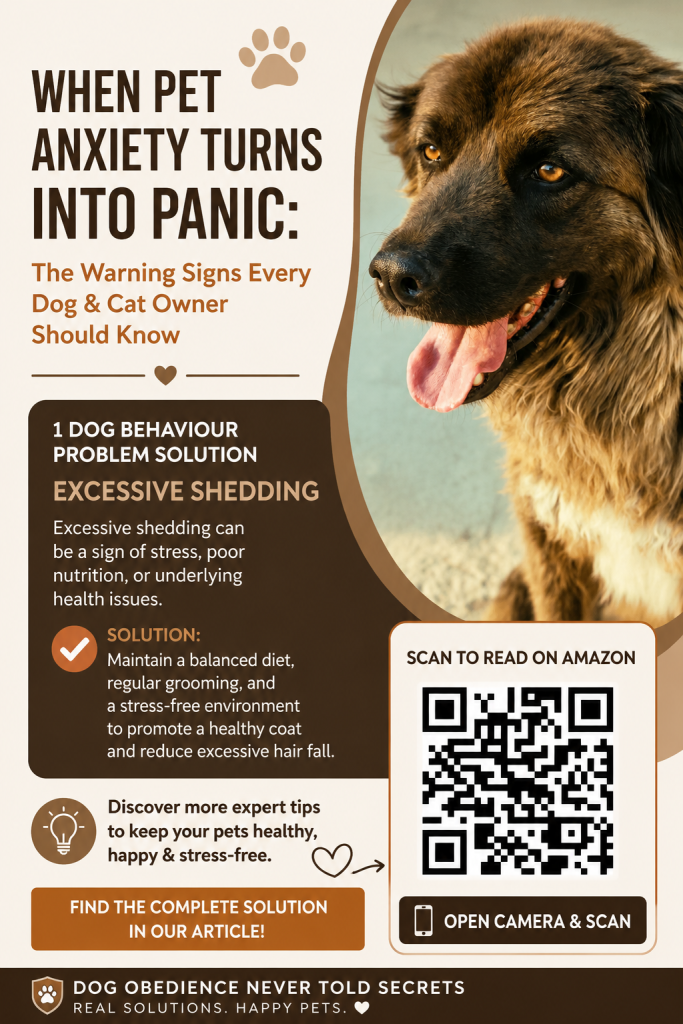
Many pet owners notice moments when their dogs or cats seem nervous, restless, or stressed. Loud noises, separation from family members, unfamiliar environments, or changes in routine can all trigger emotional reactions in pets. While mild anxiety is relatively common and often manageable, there is an important difference between ordinary anxiety and a true panic attack.
Understanding that difference can help pet parents respond appropriately, protect their pets’ emotional well-being, and know when professional help may be needed. The discussion around pet anxiety has grown significantly in recent years because more people now recognize that animals experience emotional distress in ways that can closely resemble human emotions.
Anxiety in Pets Is Common
Anxiety is a natural response to stress or uncertainty. Dogs and cats may become anxious when they hear fireworks, experience thunderstorms, meet unfamiliar people, travel, or remain alone for extended periods. Some pets are naturally more sensitive than others, while certain breeds or past experiences can increase emotional reactivity.
Mild anxiety may include behaviors such as:
- Whining or barking when left alone
- Pacing around the house
- Hiding during storms
- Clinginess toward owners
- Restlessness or excessive alertness
- Temporary appetite changes
These reactions are usually situational and often improve once the stressful event ends. Anxiety itself is not abnormal. In fact, it is part of how animals protect themselves and react to perceived danger.
However, problems arise when anxiety becomes severe, constant, or escalates into panic.
What Is a Panic Attack in Pets?
A panic attack is far more intense than ordinary anxiety. It involves a sudden, overwhelming reaction that can affect both behavior and physical health. Unlike mild anxiety, panic attacks may occur without a clearly identifiable trigger.
During a panic episode, pets may behave in ways that seem extreme or completely out of character. The emotional response becomes so intense that the animal loses the ability to self-regulate.
Some common signs of panic attacks include:
- Destructive chewing or digging
- Attempts to escape or hide
- Trembling or shaking
- Excessive drooling or panting
- Vomiting or diarrhea
- Constant pacing
- Uncontrollable barking or whining
- Urination indoors
- Aggressive or frantic behavior
In severe cases, animals may injure themselves trying to escape confinement or stressful environments. Some dogs have been known to chew through walls, damage doors, or even jump through windows during extreme panic episodes.
Why Separation Anxiety Becomes So Serious
One of the most common causes of emotional distress in dogs is separation anxiety. Dogs form strong social bonds with humans, and some struggle intensely when left alone. While mild forms may involve whining or scratching at the door, severe separation anxiety can become dangerous.
Experts often describe separation anxiety in three levels:
Mild Separation Anxiety
- Barking briefly after the owner leaves
- Mild whining
- Following owners around the home
- Temporary restlessness
Moderate Separation Anxiety
- Scratching at doors or windows
- Chewing furniture or household items
- Continuous barking
- Increased pacing
Severe Separation Anxiety
- Foaming at the mouth
- Destroying walls or doors
- Breaking out of crates
- Self-harm or injury attempts
- Jumping through windows or dangerous escape behavior
The emotional intensity behind severe separation anxiety can resemble panic attacks in humans.
The “Big Three” Strategies for Managing Separation Anxiety
Although there are many products and tips advertised online, behavioral experts often emphasize that a few core strategies provide the majority of improvement. Instead of relying solely on calming sprays, supplements, or gadgets, successful treatment usually focuses on behavioral reinforcement and emotional conditioning.
1. Provide Long-Lasting Chew Activities
Chewing and licking naturally calm dogs by helping release nervous energy. Long-lasting enrichment items can keep pets mentally occupied while creating positive associations with alone time.
Effective options may include:
- Frozen food-stuffed toys
- Safe chew bones
- Long-lasting dental chews
- Food puzzle toys
The goal is to provide something:
- Highly rewarding
- Safe
- Long-lasting enough to occupy the dog during departures
When pets begin associating the owner leaving with receiving special treats or enrichment, their emotional response may gradually improve.
2. Exercise Before Leaving
Physical exercise can significantly reduce nervous energy. Dogs that have not received enough mental or physical stimulation are often more reactive and emotionally sensitive.
A healthy routine may include:
- Daily walks
- Interactive play sessions
- Fetch or running activities
- Social play with other dogs
- Training exercises for mental stimulation
Exercise helps reduce stress hormones while encouraging relaxation after activity. A tired dog is often calmer and more capable of handling short periods alone.
3. Gradually Increase Alone Time
One of the most effective methods for reducing separation anxiety is gradual desensitization. Instead of suddenly leaving pets alone for long hours, owners slowly build tolerance over time.
The process often looks like this:
- Leave for a very short period
- Return before panic begins
- Repeat consistently
- Slowly extend the duration
This teaches pets that departures are temporary and predictable. Over time, they learn that being alone is not dangerous.
Consistency is extremely important. If the pet remains calm during short departures, confidence gradually builds.
Understanding Reinforced Behaviors
Behavior specialists also point out that some anxiety-related behaviors become unintentionally reinforced. For example, if a dog whines and the owner immediately returns, the dog may begin believing that whining successfully brings the owner back.
This is known as a “superstitious behavior” pattern, where the pet connects unrelated events and repeats the anxious response because it appears effective.
That does not mean owners should ignore distress completely. Instead, it highlights the importance of structured training and gradual exposure rather than emotionally reacting to every anxious behavior.
Are Crates Helpful?
Crates can help some dogs feel secure, but they are not always the right solution for severe separation anxiety. Highly panicked dogs may attempt to escape crates and injure themselves.
For this reason:
- Crate training should be introduced slowly
- The crate should always feel positive and safe
- Severe anxiety cases may require professional guidance
Crates should never become punishment tools.
When to Seek Professional Help
If a pet shows signs of severe panic, destructive behavior, self-injury, or intense emotional distress, professional support is strongly recommended.
Helpful professionals may include:
- Veterinarians
- Certified animal behaviorists
- Professional trainers experienced with anxiety cases
In some situations, veterinarians may recommend medication alongside behavioral therapy. Modern treatments can significantly improve quality of life for both pets and owners.
Final Thoughts
Anxiety and panic attacks in pets are not simply “bad behavior.” They are emotional responses that deserve patience, understanding, and proper care. Mild anxiety is common and manageable for many pets, but severe panic reactions require attention and professional guidance.
By learning to recognize the signs early, providing healthy outlets for stress, creating positive routines, and gradually building confidence, pet owners can help their dogs and cats feel safer and more secure.
Most importantly, understanding your pet’s normal behavior is the key to recognizing when something more serious may be happening. Small changes in behavior can provide important clues about emotional health, and early intervention can make a tremendous difference in a pet’s overall well-being.